Wolf spiders are common in Orange County and often surprise homeowners with their size and speed, though they pose little risk. They help control insects outdoors but may enter homes when temperatures or prey patterns change. With good prevention and timely professional support, you can keep them out of your living space.

Seeing a big, fast-moving spider dart across the floor can make anyone freeze for a moment. In Orange County, that quick shadow is often a wolf spider, a ground-dwelling hunter that appears in backyards, garages, and homes from Irvine to San Clemente. Their size and speed can be startling, but wolf spiders are less threatening than their appearance suggests. When homeowners understand their behavior, appearance, and seasonal patterns, it becomes easier to handle indoor encounters with confidence.
California’s warm climate supports many spider species that share similar colors and markings. Because of this, residents sometimes confuse wolf spiders with other brown or gray spiders that live near homes. Seasonal changes also influence spider activity, especially in late summer and early fall, when prey shifts and temperatures begin to cool. Understanding these patterns helps explain why you might see more spiders in your home at certain times of year.
Wolf spiders may look bold, but they would rather flee than fight. They are solitary hunters, not web builders, and they play an important role in controlling insects outdoors. While helpful outside, most people prefer not to find them skittering across their living room floor.
Wolf spiders have a distinct appearance that becomes easy to recognize with a few key characteristics. Their bodies are usually brown or gray with darker stripes or subtle chevron markings. This coloration helps them blend into soil, mulch, and leaf litter. Because Orange County is home to many brown and black backyard spiders, homeowners sometimes mistake wolf spiders for more concerning species.
Wolf spiders typically have:
The eye shine is one of their most recognizable traits. If you have ever shined a flashlight across your yard at night and noticed tiny reflective dots on the ground, you were likely seeing wolf spider eyes.
Despite their size, wolf spiders are not aggressive. Their instinct is to escape immediately when disturbed.
Wolf spider size varies across species, and California hosts several varieties. Smaller adults may have a half-inch body length, while larger females can exceed a full inch. When you include their legs, some can span over two inches across.
A few things make them look even larger than they are:
Because they resemble other ground-dwelling spiders, some people confuse wolf spiders with more dangerous types. However, their eye pattern and thick legs make identification easier once you know the basics.
Wolf spiders are skilled hunters and chase down their food instead of using webs. This is why you often see them moving along floors, walls, or baseboards.
Their diet includes:
As natural insect controllers, wolf spiders help reduce pests outdoors. However, most homeowners still prefer not to find them inside.
Wolf spiders can bite, but such cases are rare. They avoid humans and will not bite unless they feel trapped. Most bites occur when a spider becomes stuck inside clothing, shoes, or blankets.
Important reminders:
Shaking out shoes or gloves stored in garages or sheds is a simple precaution that prevents accidental contact.
Wolf spiders have venom designed to immobilize small prey. For humans, their venom poses very little risk.
Typical bite symptoms include:
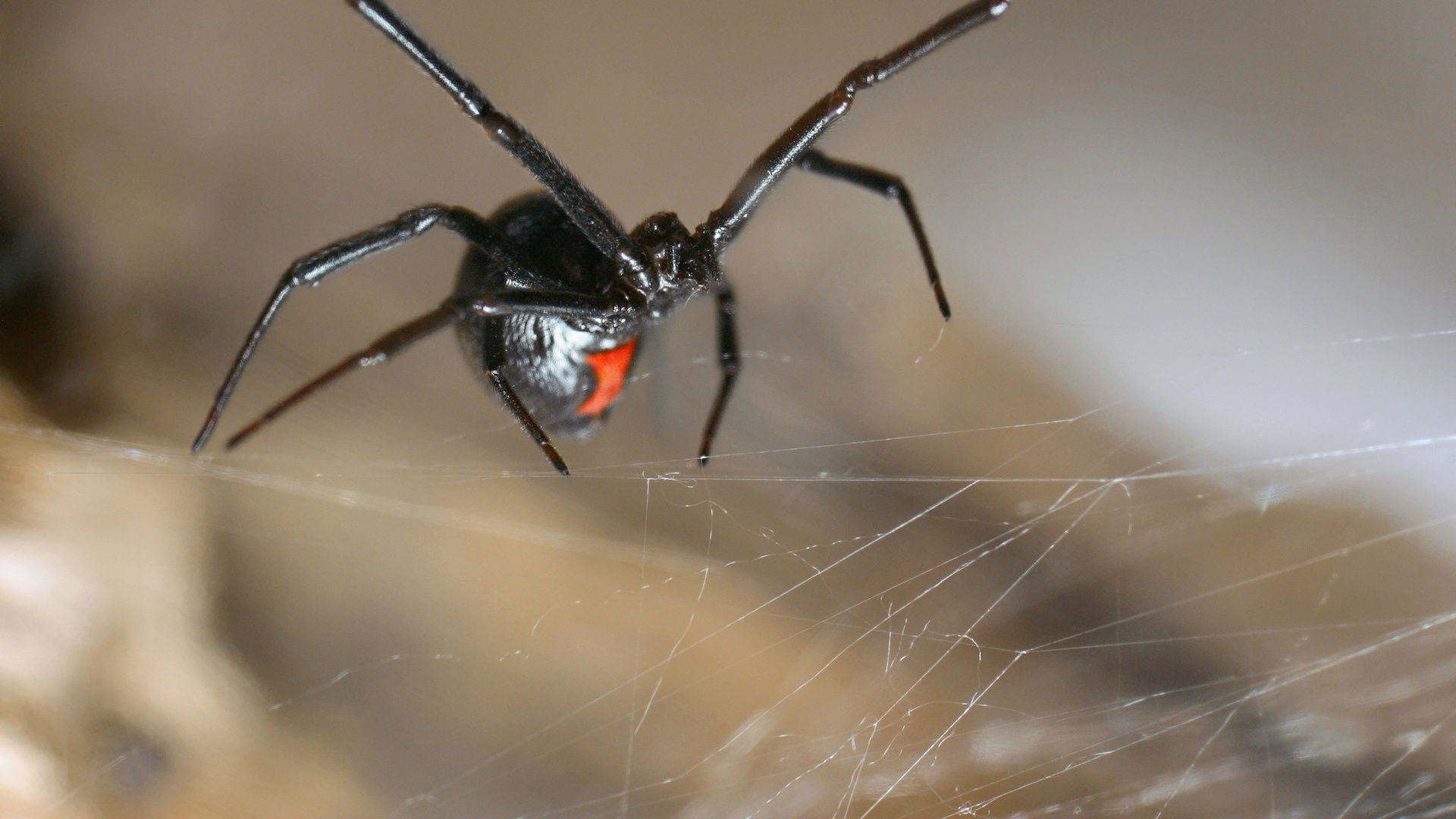
In rare cases, someone may experience a heightened reaction, such as spreading redness or difficulty breathing. These cases are uncommon, but medical attention is appropriate if symptoms worsen. Compared to medically significant spiders like the black widow, wolf spiders are far less concerning.
Wolf spiders thrive in warm, dry environments with plenty of ground cover. California offers ideal habitats in both residential and natural spaces.
Common outdoor locations:
Common indoor hiding spots:
Seasonal movement also plays a role. When temperatures shift or insect activity changes, wolf spiders may wander indoors through small gaps. Many homeowners rely on Oso Pest Control’s spider services to prevent spiders from entering and to reduce conditions that attract insects around the home.
Fortunately, preventing wolf spiders from entering your home often aligns with general spider prevention strategies. Creating a clean, sealed home greatly reduces indoor sightings.
Helpful prevention steps include:
These steps not only deter wolf spiders but also eliminate many of the insects they hunt. For homeowners who want clearer identification and prevention tips for other local species, many rely on resources explaining general spider behavior in the region.
Wolf spiders play a positive role outdoors by reducing insect populations. In gardens and yards, they can help control pests that damage plants or that eventually make their way indoors. But when wolf spiders appear inside, most people understandably want them gone.
Benefits outdoors:
Concerns indoors:
Because wolf spiders offer benefits outdoors but feel unwelcome indoors, many homeowners choose long-term prevention rather than relying on temporary fixes.
Professional spider control is recommended when:
A trained technician can identify structural vulnerabilities, locate hiding places, and create treatment strategies customized to your home’s layout and surrounding environment.
Wolf spiders play an important role outdoors, but they don’t belong inside your home. Oso Pest Control provides safe, effective, and targeted spider control tailored to Orange County homes. Our team understands local spider behavior and knows where wolf spiders hide, how they enter, and how to create a long-term prevention strategy that protects your living space.
If you’re seeing wolf spiders more often or want reliable prevention before seasonal shifts bring them indoors, contact Oso Pest Control today. We’ll inspect your home, seal entry points, reduce attractants, and give you year-round spider protection built for California living.

Schedule an inspection or call us. Our local team is here to help.