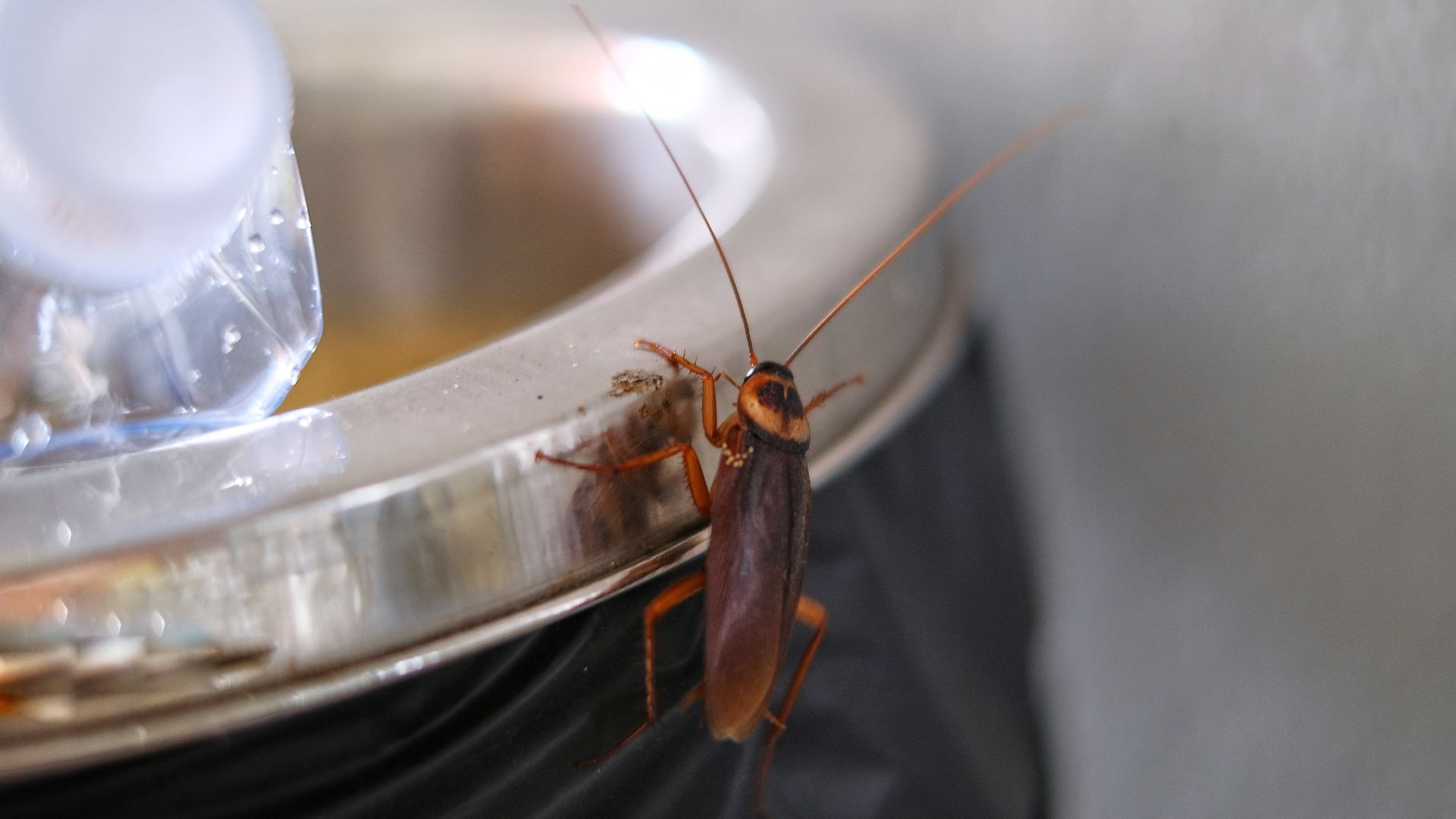
Roaches survive on food scraps, moisture, and hidden shelter. Learn why infestations start and which steps actually help eliminate them.

Roaches do not wander into homes by chance. They arrive because conditions allow them to survive. Once inside, they spread quickly, hide well, and resist many common treatments. Knowing how to get rid of roaches means understanding what attracts them, what keeps them alive, and why quick fixes often fail.
Many homeowners focus on killing the roaches they see. That approach treats the symptom, not the source. Effective control requires stopping the infestation at its root.
Roaches infest homes because houses provide three things they need every day: shelter, food, and water. Even well-kept homes can attract roaches if small access points or moisture sources exist.
They enter through cracks in foundations, gaps around doors and windows, plumbing penetrations, vents, and shared walls in multi-unit buildings. Outdoor species often move inside during heat, heavy rain, or seasonal shifts. Once inside, roaches settle close to kitchens, bathrooms, and laundry areas where resources stay consistent.
Roaches prefer quiet, protected spaces. Wall voids, cabinets, and the narrow gaps behind appliances give them cover while keeping them close to food and moisture.
Roaches survive on food most people overlook. They do not need full meals. Small residues are enough to sustain them.
The most common attractants include:
Cleaning helps reduce attraction, but food removal alone will not stop an established infestation.
Water matters more to roaches than food. A roach can survive weeks without eating but only days without moisture. Leaky pipes, condensation under sinks, pet water bowls, damp sponges, and clogged drains give roaches steady hydration.
Warmth also plays a key role. Roaches thrive in areas with stable temperatures, such as behind refrigerators, dishwashers, and washing machines. These environments allow them to breed without interruption.
Once roaches find a reliable indoor habitat, they rarely leave on their own.
Not all roaches behave the same, and treating them as one problem often leads to failure. Species differences affect where roaches nest, how fast they reproduce, and how treatments should be applied.
Two common examples highlight this problem:
Spraying visible roaches may reduce activity temporarily, but it rarely reaches nests, especially with German cockroaches.
Stopping a roach infestation requires more than killing what you see. The goal is to eliminate the breeding population and prevent reinfestation.
Effective control includes:
Without these steps, roaches recover quickly and return in greater numbers.
Timing also matters. Roaches reproduce continuously, which means delays allow populations to grow behind walls and cabinets before visible signs appear.
Store-bought sprays kill roaches on contact, but they rarely solve the problem. Sprays do not penetrate wall voids, appliance cavities, or egg cases. In many cases, they make infestations worse.
Sprays often drive roaches deeper into hiding. Survivors relocate, spread to new areas, and continue breeding out of sight. Over time, repeated exposure can also reduce effectiveness, leaving homeowners with fewer options.
Sprays address activity, not infestation.
Roaches do not disappear without targeted intervention. Oso Pest Control provides professional roach control designed to eliminate infestations at the source, not just reduce surface activity.
Oso’s approach begins with proper identification. Understanding which species is present allows treatments to target nesting behavior, breeding cycles, and entry points. Treatments focus on the areas roaches rely on most, including hidden harborage zones and moisture-prone spaces.
Professional service also addresses prevention. By reducing conditions that allow roaches to survive, Oso helps stop reinfestation and restore long-term control.
If roaches are active in your home, professional treatment saves time, reduces repeat problems, and prevents infestations from spreading further. Acting early protects your home and brings the problem under control before it grows.
Schedule an inspection or call us. Our local team is here to help.